
Run a detailed electromagnetic-transient (EMT) model and the way it starts matters more than it first appears: poor initialisation can contaminate the early results and can sometimes destabilise the whole run, so the pre-event period has to be checked before any post-event result is trusted. If the model is started from a state that is not in equilibrium, the first seconds fill with a transient that has nothing to do with the event you set out to study — a numerical initialisation artefact, not a physical event in the network — while the machine searches for its operating point and currents, torques and control outputs swing. The fix is to start from a solved steady state, and not only of the network: every internal state of every dynamic device must begin in balance. The synchronous machine is the clearest way to see why, so this guide opens with it, then carries the same idea through to converter plants, imported cases and the choice of study mode. It is the companion to the wind-park load-flow and initialisation arrangement.
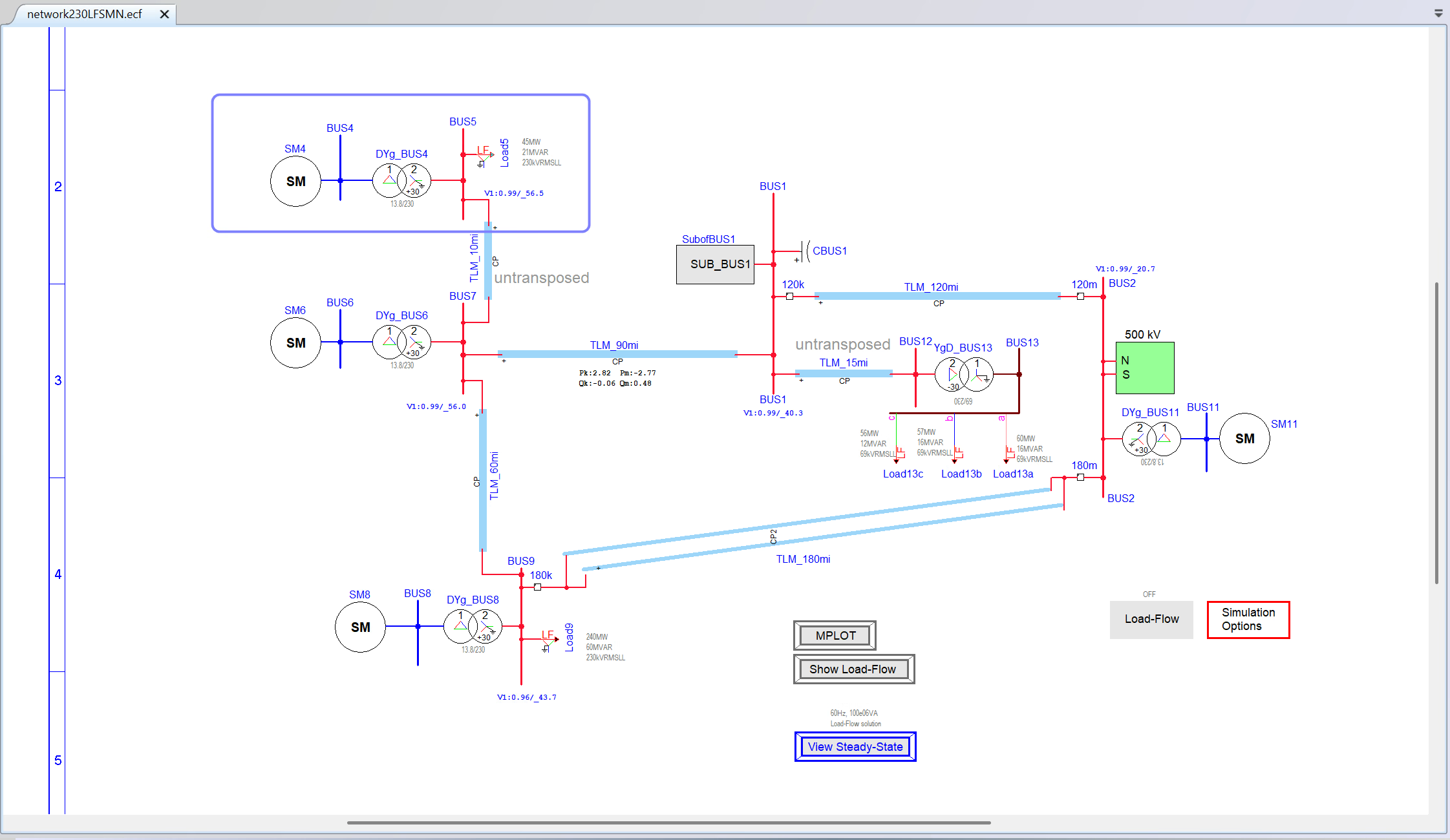
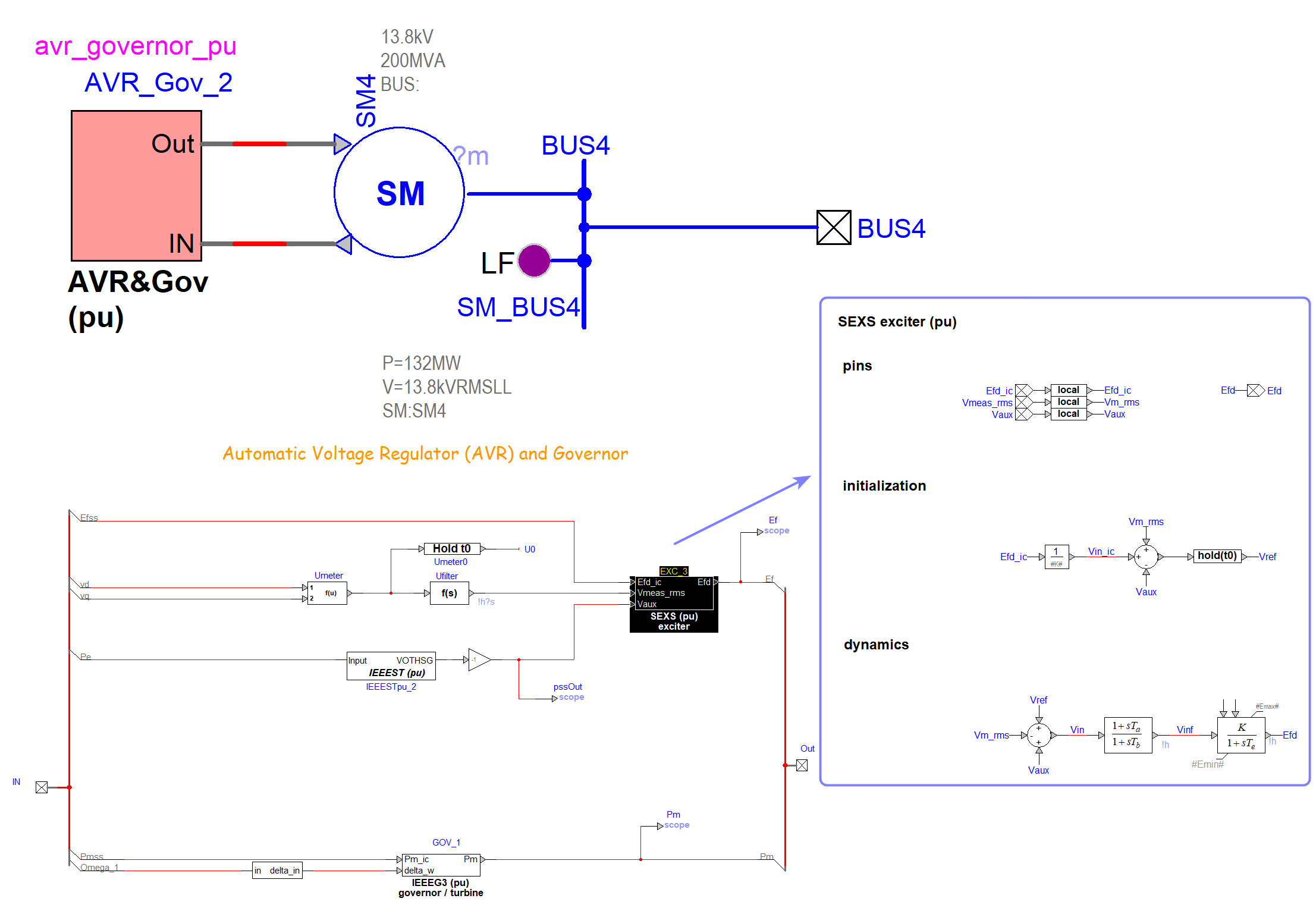
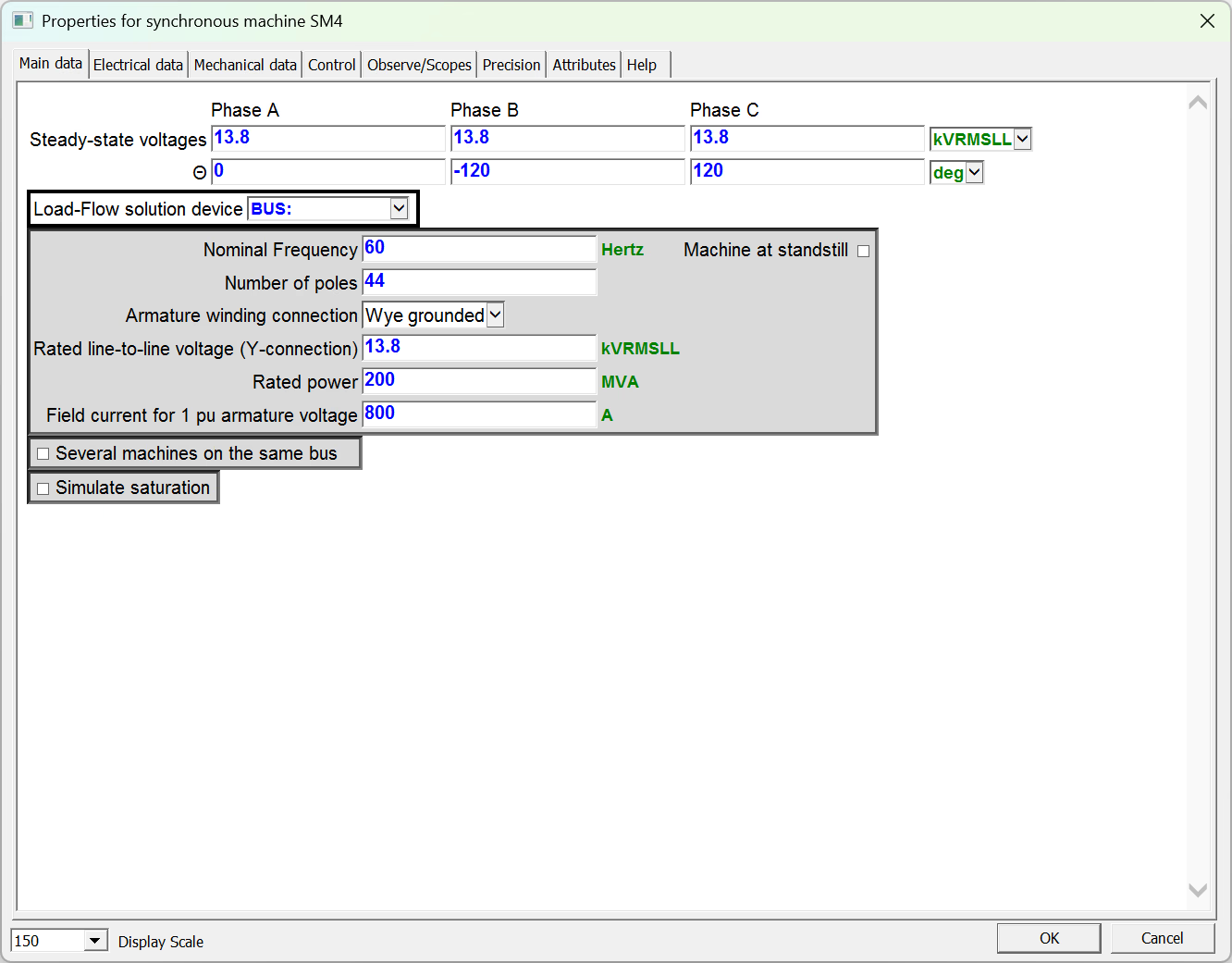



Synchronous-Machine Load-Flow Initialisation
The load-flow initialisation principle on the synchronous machine — where rotor angle and field make it most visible — and the study workflow that ties the series together.
Series progress
3 of 30