
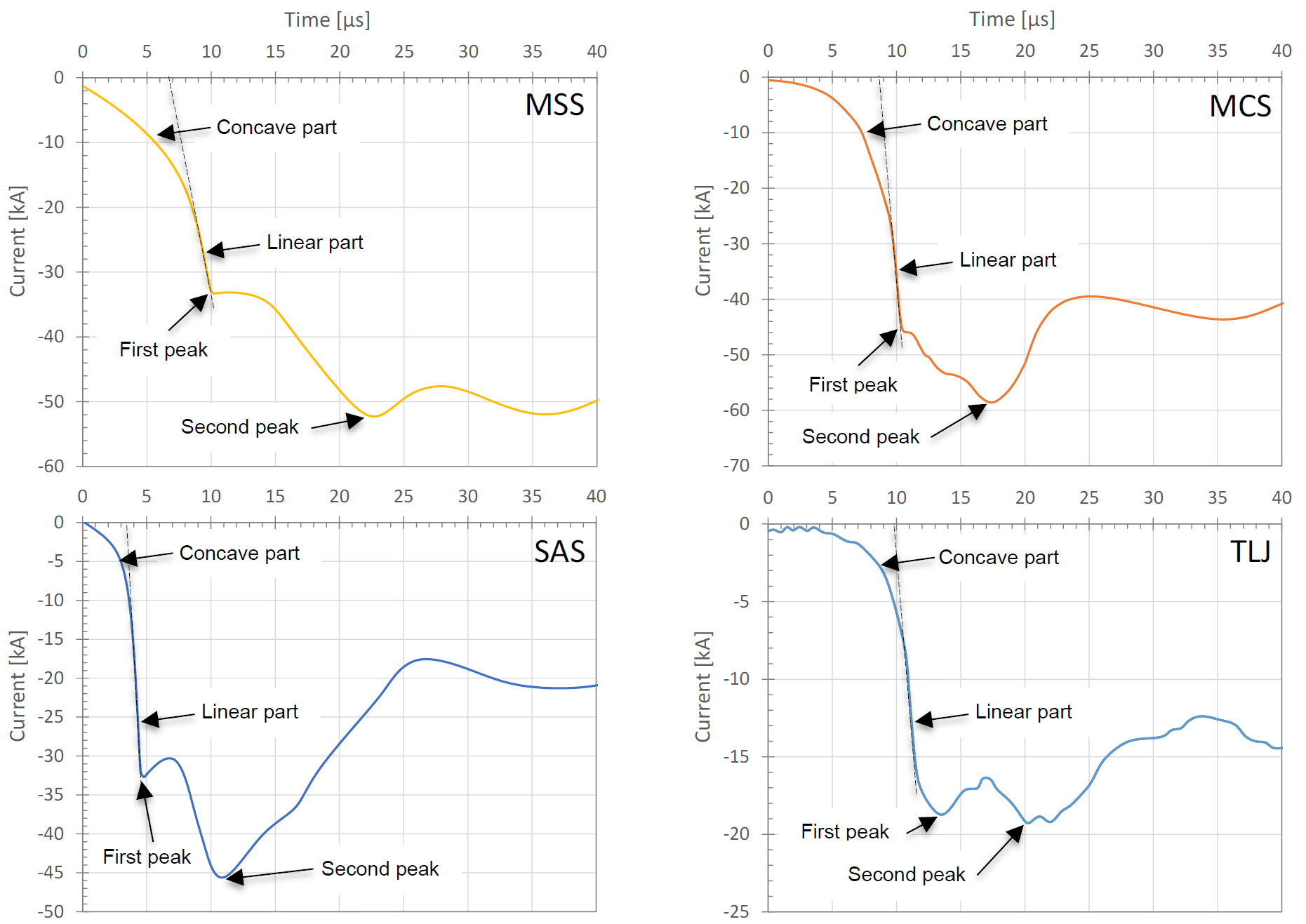
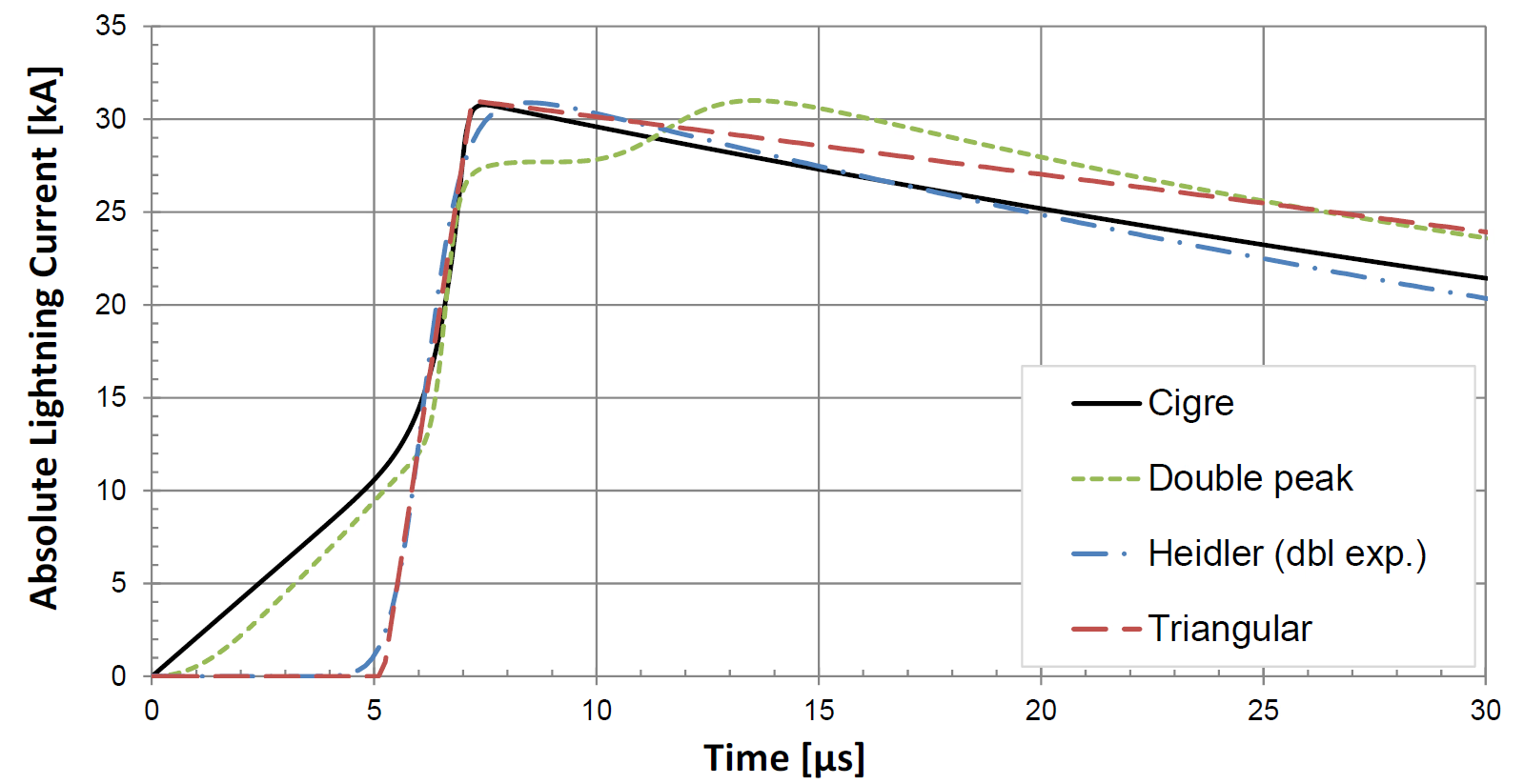
In a practical EMTP® or insulation-coordination study the engineer normally has to define the current or voltage peak, the front time (time-to-crest), the maximum steepness, the tail (time-to-half), the polarity, whether the event is a first stroke, a subsequent stroke or a switching surge, and whether the waveform is for simplified screening or detailed transient modelling. The key point is that different studies need different waveforms: a simple triangular shape can be acceptable for screening; a CIGRE-concave or double-peaked shape is better for first-stroke lightning-performance work; a Heidler function suits cases needing a smooth differentiable curve; and a switching impulse lives on a completely different time scale and must not be treated like a lightning impulse.



Lightning & Switching Current Waveforms
Choosing the stroke or surge waveform — front time, maximum steepness and the analytical representations.
Series progress
9 of 16