
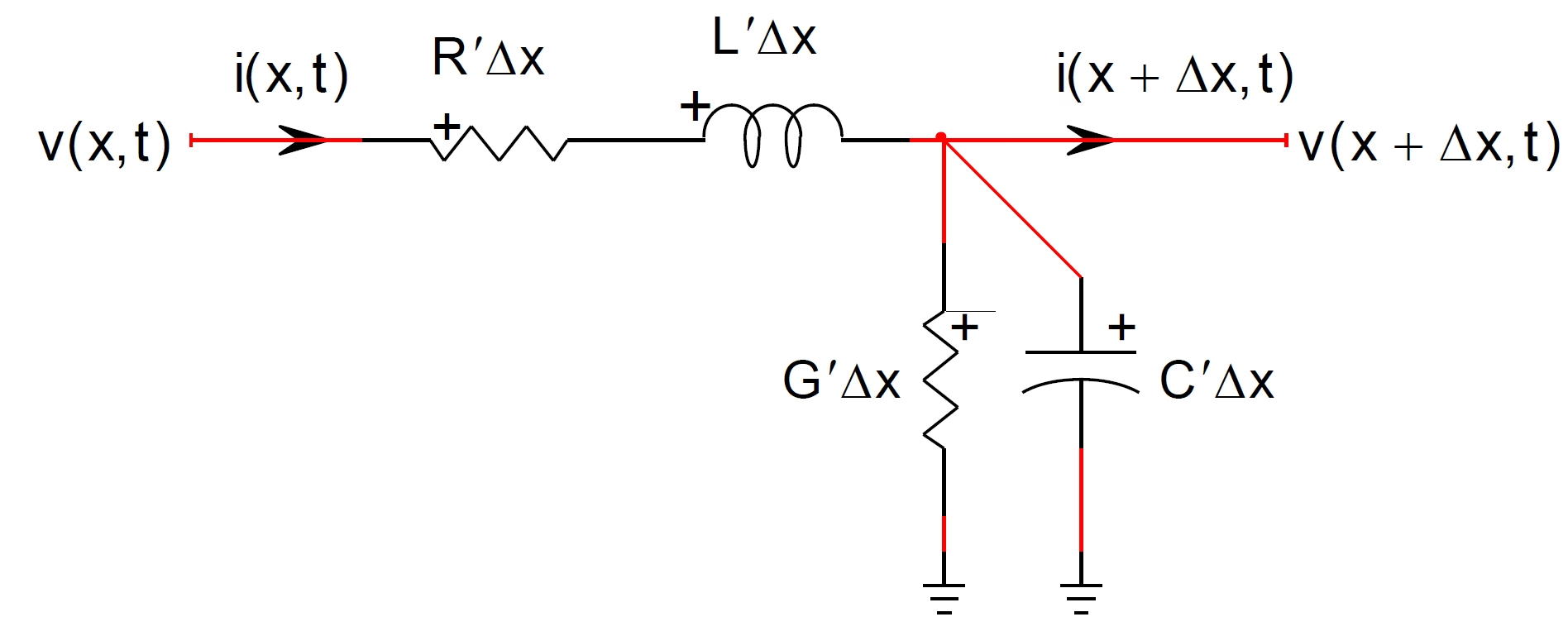
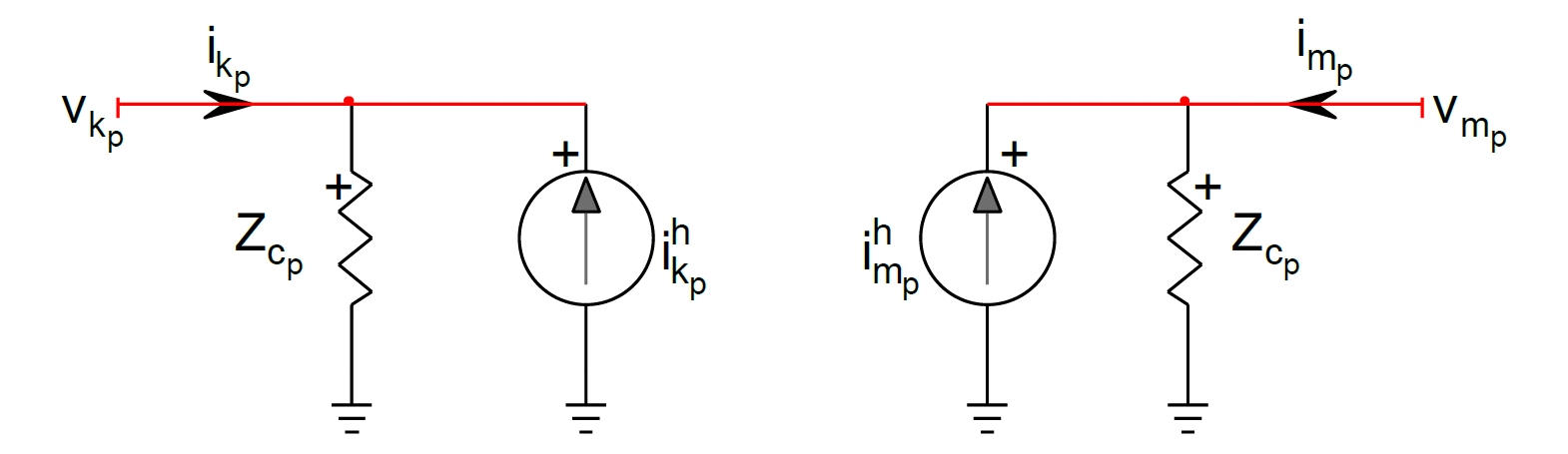
In an electromagnetic transient (EMT) study, the overhead line or cable is often the component that decides the answer. It sets the surge impedance that shapes a travelling wave, the resonance that amplifies a switching or harmonic event, the attenuation that damps it, and the delay that governs reflections. Because its parameters are distributed along the route and frequency dependent, the same physical line can require very different mathematical models depending on what is being studied.

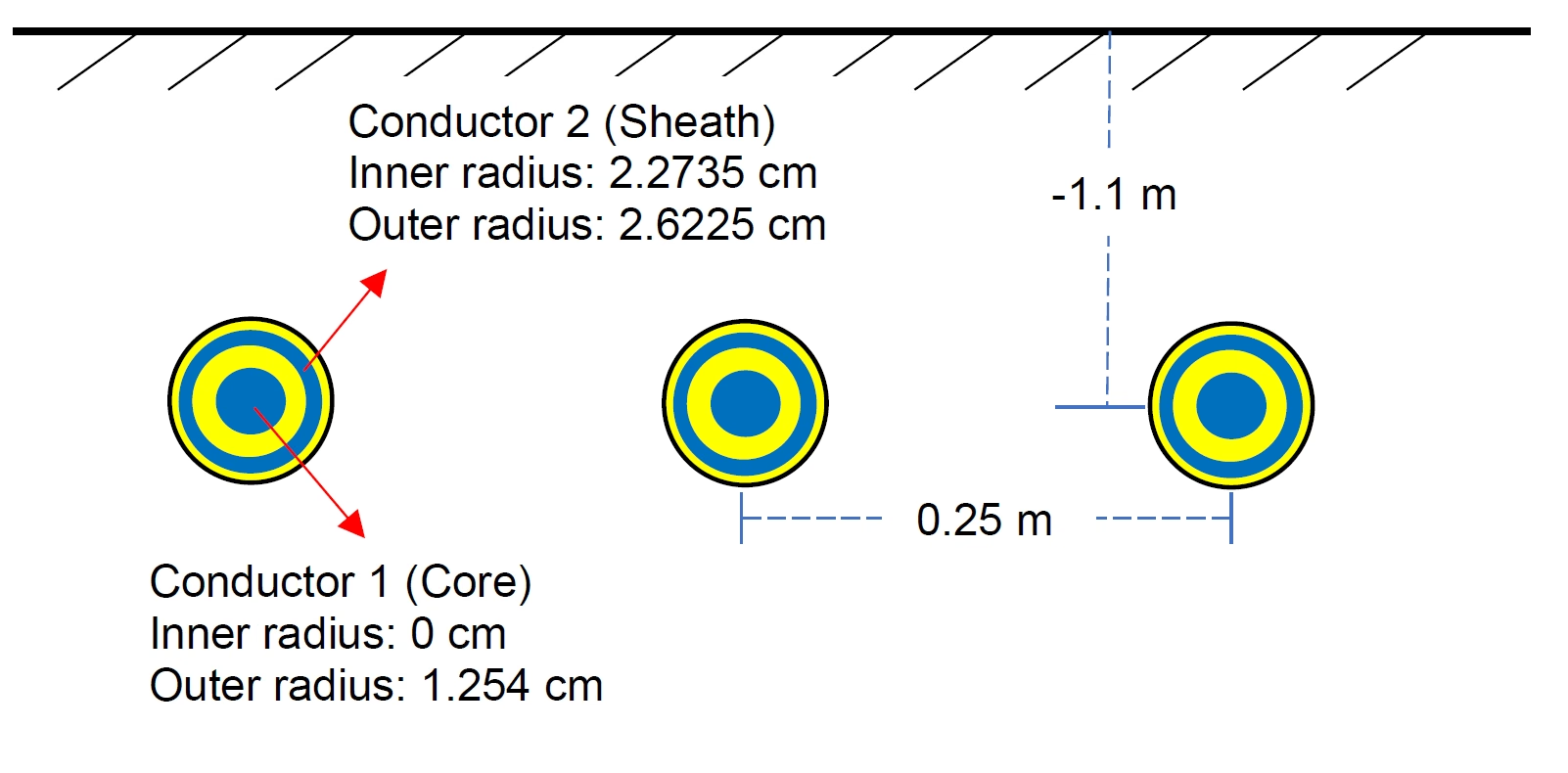
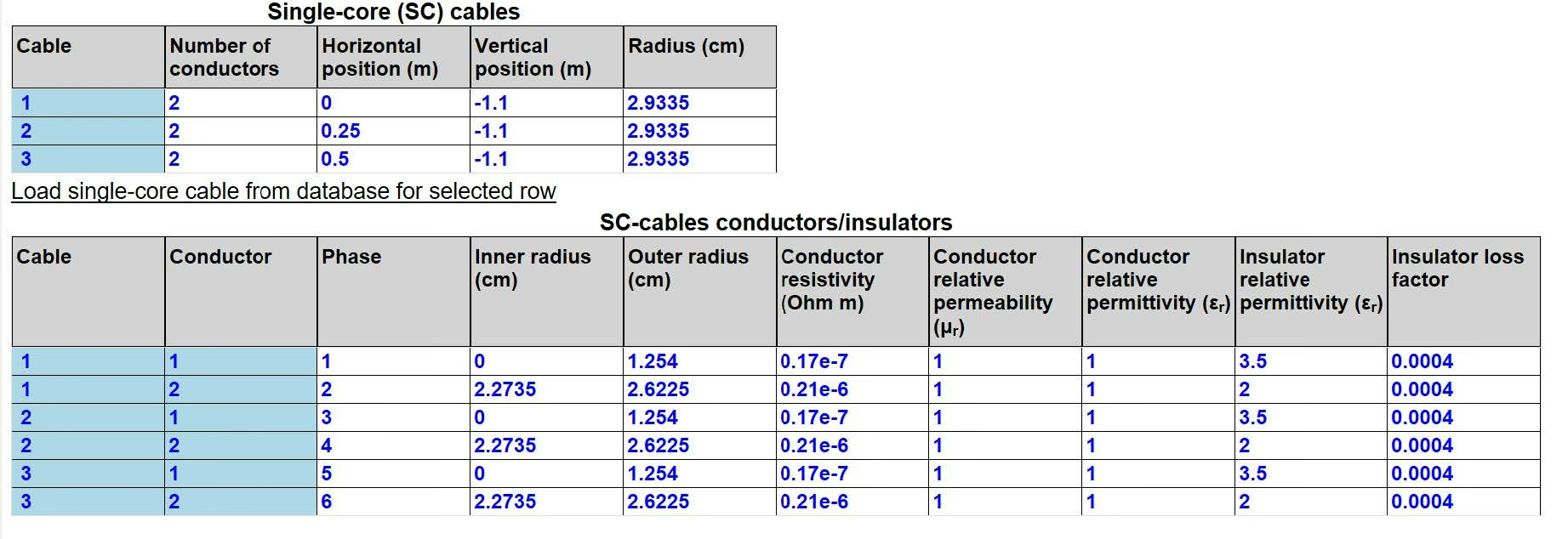
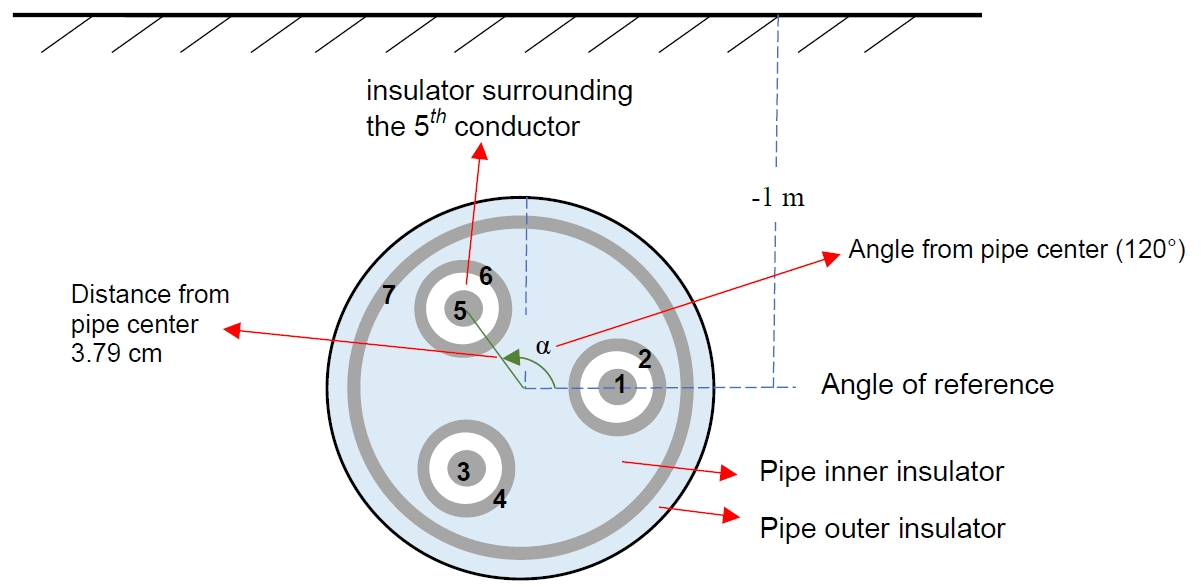
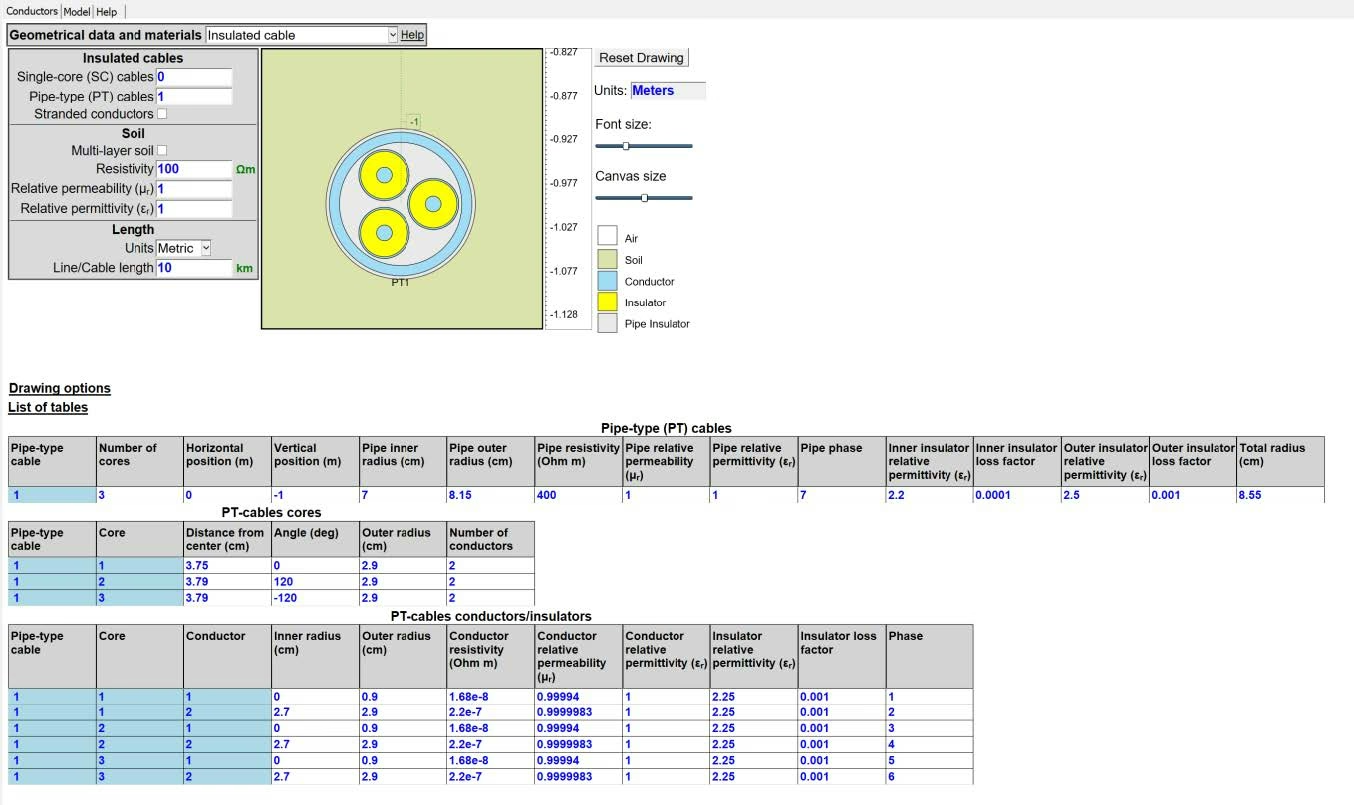


Cable & Overhead Line Modelling
The model-family overview — choosing lumped, distributed or frequency-dependent line and cable models for the transient.
Series progress
1 of 16