
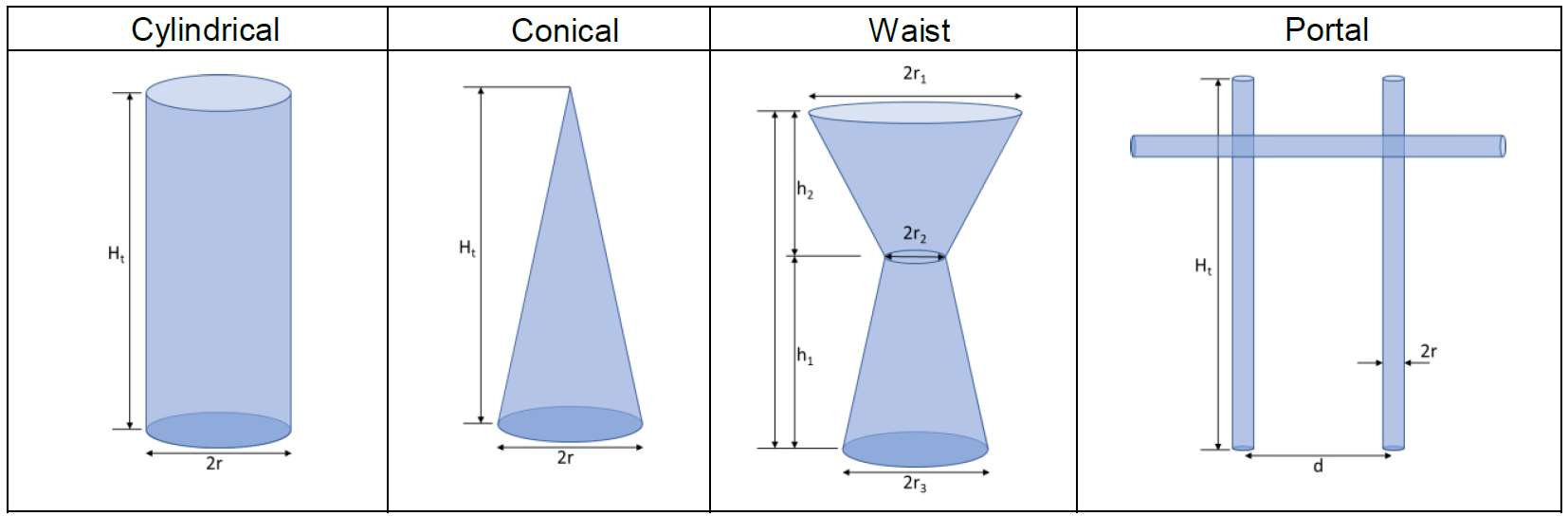
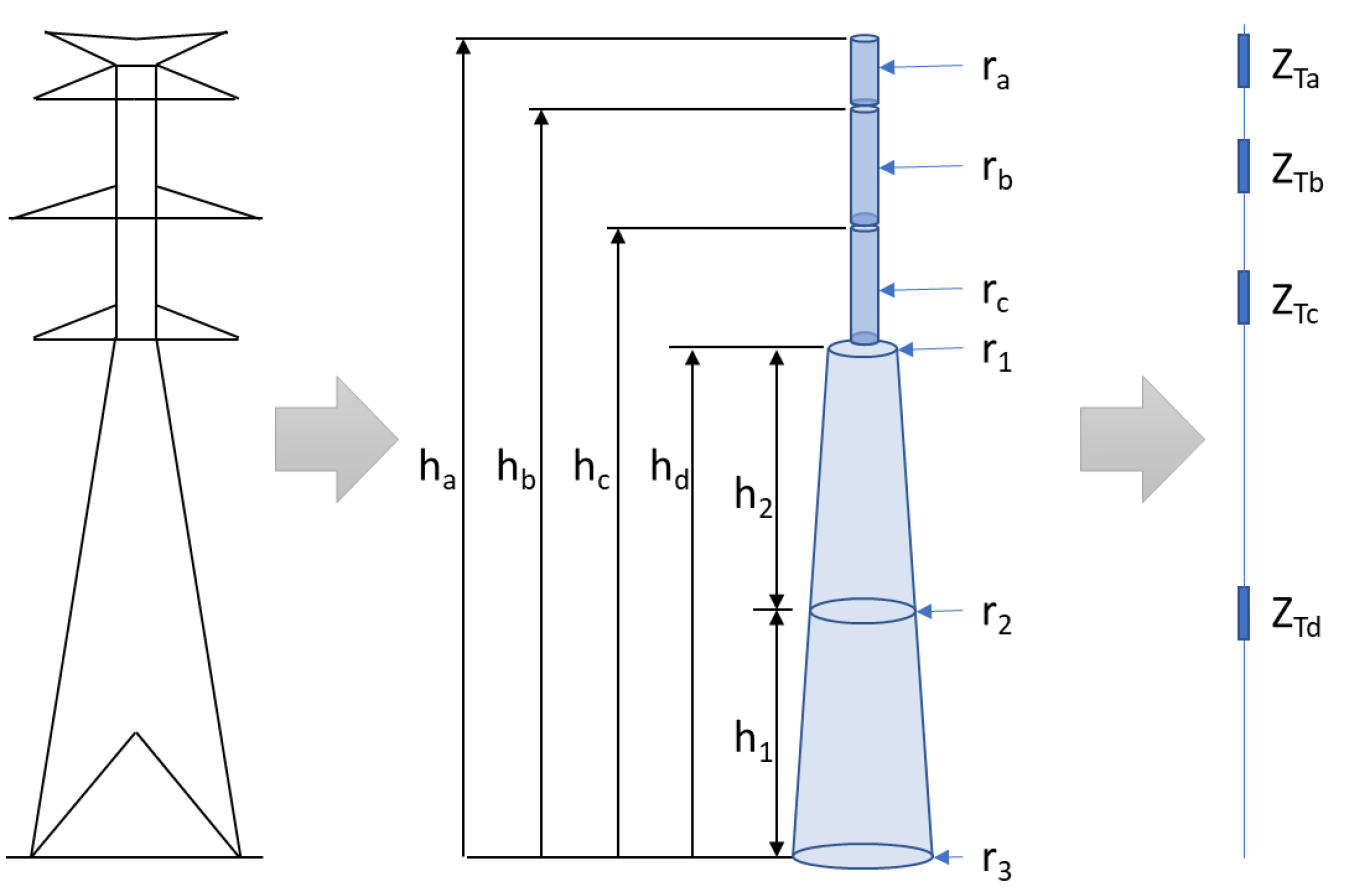
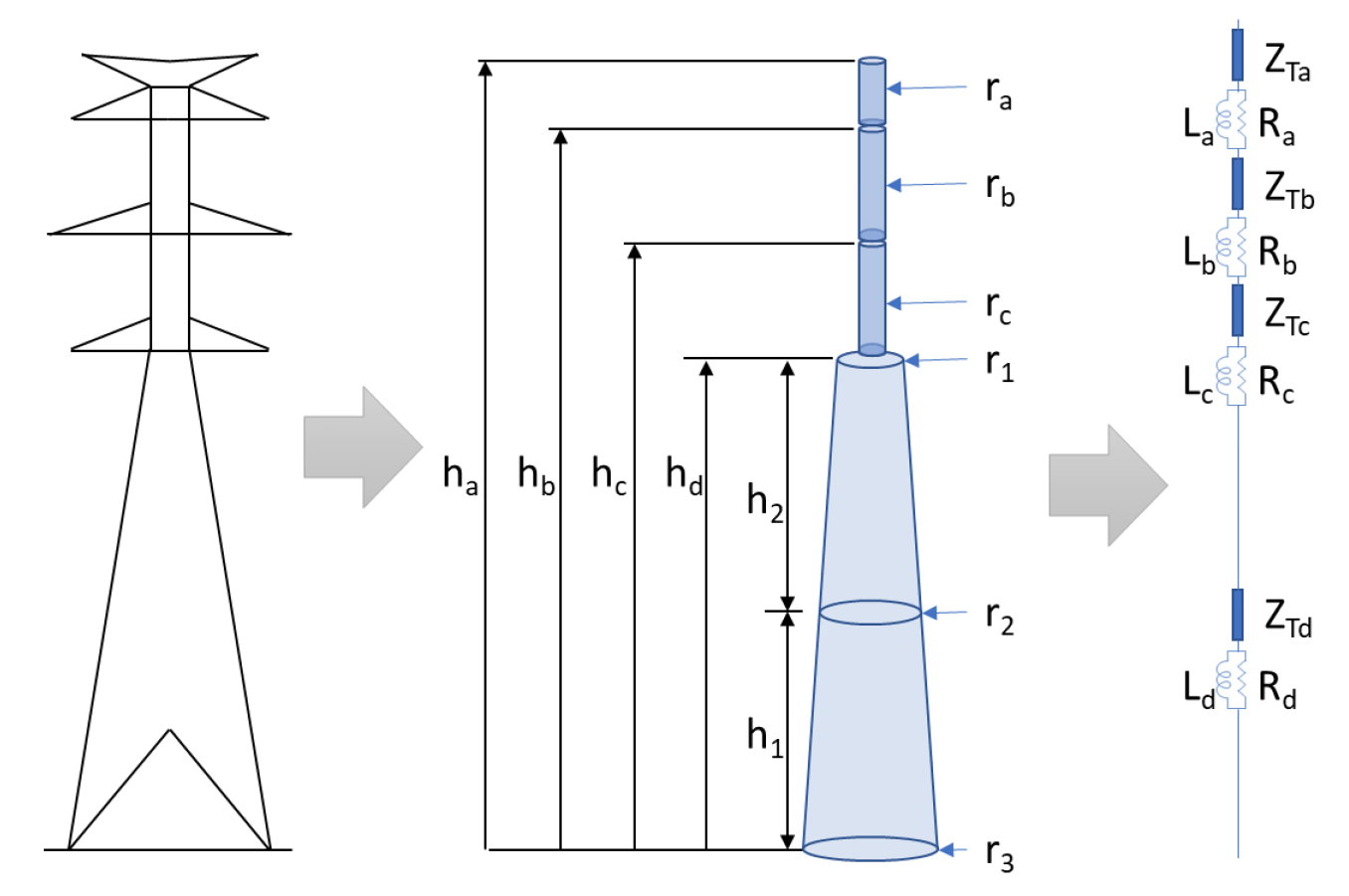
Transmission towers matter in lightning studies because they are part of the surge-current path between the shield wire, phase conductors, insulator strings, steelwork and grounding system. When lightning strikes a shield wire or tower top, the current does not vanish into the ground: it travels down the tower as a surge, reflects from the base and footing impedance, and creates voltage differences between the tower body and the phase conductors. Those differences appear across the insulator strings — and if the insulator voltage exceeds the withstand, backflashover follows. The tower model is therefore an electrical surge-propagation model, used to estimate tower-top, crossarm and insulator voltages and the effect of footing impedance — not merely a picture of a steel structure.



Tower Modelling for Lightning in EMTP®
Tower surge impedance, travel time, and the multistorey and variable-impedance tower models for backflashover.
Series progress
10 of 16