
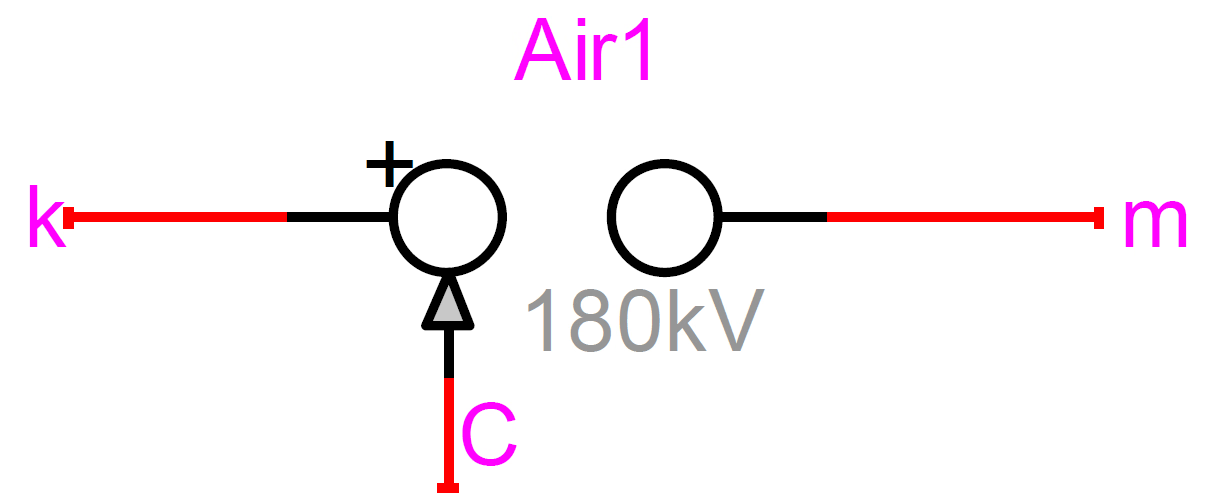
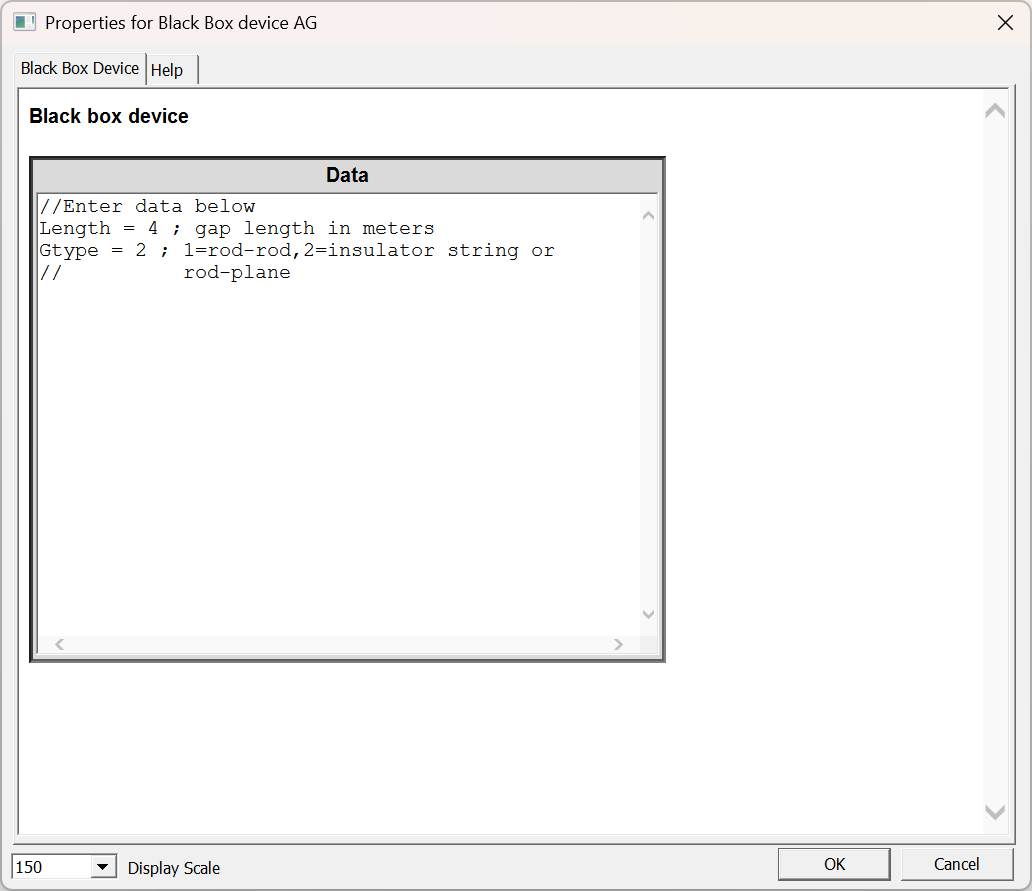
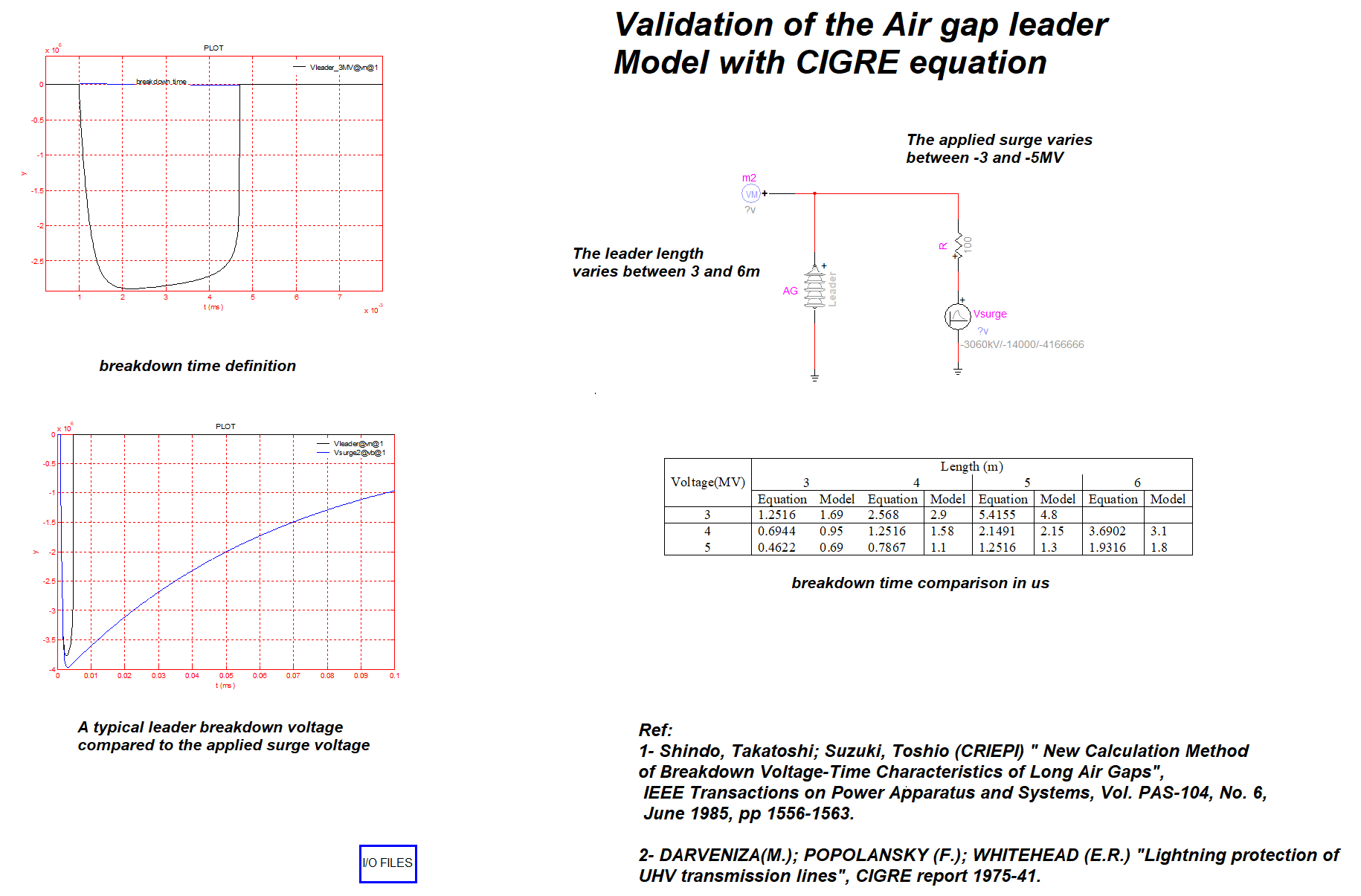
In EMTP®, air-gap behaviour can be represented at different levels of detail, and the right choice depends on the purpose of the study, the available data, the voltage waveform, the gap length, and whether the engineer needs only a simplified flashover indication or a realistic breakdown-time calculation. Two practical approaches dominate: the simple EMTP® Air Gap device, based on an integral (disruptive-effect) criterion; and the advanced leader-type model in the EMTP® example file air_gap_leader.ecf, which can be copied into a project and adjusted for the required gap length and gap type. The simple model is easier to use when voltage-time or laboratory-derived parameters are available; the leader model is more appropriate for long air gaps and transmission-line lightning studies, where breakdown time depends strongly on the applied waveform, the gap length and the leader-development process.







Air-Gap Modelling in EMTP®
Representing air-gap and insulator flashover — the integral Air Gap device and the leader model.
Series progress
14 of 16